
Choosing the Right Clothing for Sensitive Skin
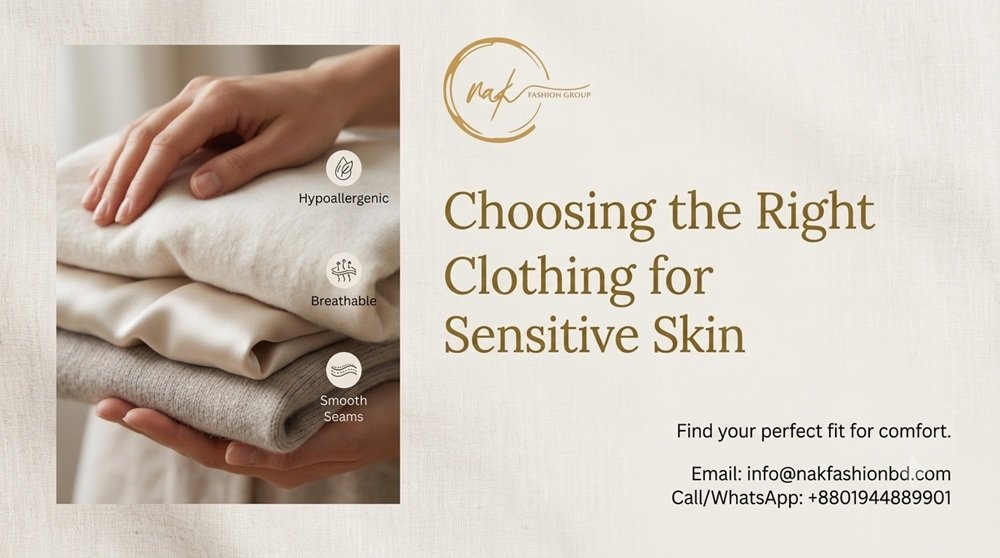
A baby’s skin is delicate and much more sensitive than an adult’s. Even older children can experience skin irritation caused by rough fabrics, harsh chemicals, or poorly made garments. Choosing the right clothing for sensitive skin is essential to keep children comfortable, healthy, and free from unnecessary irritation.
Whether you’re a parent looking for the safest clothing for your child or a fashion brand sourcing premium children’s apparel, understanding fabric quality and garment construction can make a significant difference.
At Nak Fashion & Textile, we work with trusted apparel manufacturers in Bangladesh to source high-quality baby and children’s clothing that meets international standards for comfort, safety, and durability.
Why Sensitive Skin Needs Special Care
Children with sensitive skin are more likely to experience:
- Skin irritation
- Redness
- Itching
- Heat rash
- Allergic reactions
- Dry skin
Many of these problems can be reduced simply by choosing the right fabrics and well-made clothing.
1. Choose Natural, Breathable Fabrics
Fabric is the most important factor when selecting clothing for sensitive skin.
The best options include:
- 100% Organic Cotton
- Combed Cotton
- Cotton Jersey
- Cotton Interlock
- Bamboo-Cotton Blends
- Cotton Muslin
These fabrics are soft, breathable, lightweight, and gentle on delicate skin.
Avoid fabrics that trap heat or feel rough against the skin, especially during warm weather.
2. Look for Organic Cotton Clothing
Organic cotton is one of the safest choices for babies and children with sensitive skin.
Benefits include:
- Free from harmful pesticides
- Softer than conventional cotton
- Breathable and lightweight
- Reduced risk of skin irritation
- Environmentally friendly
Many international brands now prefer organic cotton for baby apparel because of its comfort and sustainability.
3. Check for Skin-Safe Dyes
The dyes and chemicals used during garment production can affect sensitive skin.
Choose clothing made with:
- Non-toxic dyes
- AZO-free dyes
- OEKO-TEX® certified fabrics
- GOTS-certified organic cotton
These standards help ensure garments are safe for everyday wear.
4. Prioritize Soft Seams and Quality Stitching
Poor stitching can rub against delicate skin and cause discomfort.
Look for garments with:
- Smooth seams
- Flatlock stitching
- Soft labels or tag-free designs
- Reinforced stitching
- High-quality finishing
Good construction improves both comfort and durability.
5. Avoid Tight-Fitting Clothes
Tight clothing can create friction and trap heat, leading to irritation.
Instead, choose garments that:
- Fit comfortably
- Allow free movement
- Provide good airflow
- Stretch naturally
Comfort should always come before fashion, especially for infants.
6. Choose Moisture-Wicking and Breathable Materials
Sweat can irritate sensitive skin if it remains trapped.
Breathable fabrics help:
- Regulate body temperature
- Reduce sweating
- Prevent heat rash
- Keep children comfortable throughout the day
Cotton remains one of the best materials for daily wear.
7. Wash New Clothes Before Use
New garments may contain dust, finishing chemicals, or manufacturing residues.
Before your child wears new clothing:
- Wash using a mild detergent
- Avoid strong fragrances
- Skip harsh fabric softeners
- Rinse thoroughly
This simple step helps reduce the chance of skin irritation.
8. Select Clothing That Matches the Season
Choosing weather-appropriate clothing also protects sensitive skin.
Summer
- Lightweight cotton T-shirts
- Cotton shorts
- Breathable dresses
- Muslin outfits
Winter
- Soft cotton base layers
- Cotton fleece jackets
- Knit cardigans
- Warm yet breathable fabrics
Layering is often better than using one thick garment.
9. Look for International Quality Standards
If you’re purchasing clothing for retail or private label, ensure your supplier follows recognised quality and compliance standards.
Look for manufacturers working with:
- OEKO-TEX® Standard 100
- GOTS (Global Organic Textile Standard)
- BSCI
- WRAP
- ISO-certified quality systems
These certifications demonstrate a commitment to quality, safety, and responsible manufacturing.
10. Buy from a Trusted Apparel Sourcing Partner
Reliable sourcing partners ensure consistent product quality and compliance with international requirements.
A trusted buying house can help with:
- Fabric sourcing
- Quality inspections
- Product development
- Ethical manufacturing
- Private label production
- Export documentation
This gives brands confidence that every garment meets customer expectations.
Why Choose Nak Fashion & Textile?
Nak Fashion & Textile is a trusted garment buying house in Bangladesh, helping international fashion brands source premium-quality baby and children’s apparel.
Our services include:
- Children’s apparel sourcing
- Baby clothing manufacturing
- Organic cotton garment sourcing
- Private label (OEM & ODM) production
- Sustainable fabric sourcing
- Quality control and inspections
- Ethical manufacturing partnerships
- Global export support
We proudly serve buyers across Europe, North America, and other international markets with reliable sourcing solutions and high-quality garments.
Final Thoughts
Choosing the right clothing for sensitive skin goes beyond style—it is about protecting a child’s health, comfort, and well-being. Soft natural fabrics, safe dyes, breathable materials, and quality construction all play an important role in reducing skin irritation and ensuring all-day comfort.
For apparel brands, retailers, and importers, partnering with an experienced buying house ensures access to premium-quality garments manufactured to international standards.
Nak Fashion & Textile is committed to helping global brands source children’s apparel that combines comfort, safety, sustainability, and exceptional craftsmanship.
Frequently Asked Questions
Organic cotton is widely regarded as the best fabric for sensitive skin because it is soft, breathable, hypoallergenic, and free from many harsh chemicals used in conventional textile production.
Yes. Cotton is generally more breathable and gentler on delicate skin than polyester, making it a preferred choice for everyday baby and children’s clothing.
Yes. Rough fabrics, tight-fitting garments, chemical finishes, and poor-quality stitching can all contribute to skin irritation, redness, or itching.
Look for products made with or certified under standards such as OEKO-TEX® Standard 100, GOTS (Global Organic Textile Standard), BSCI, and WRAP, which reflect recognised safety, quality, and ethical manufacturing practices.
Yes. Washing new clothes before first use helps remove dust, manufacturing residues, and finishing chemicals that may irritate sensitive skin.
Organic cotton is naturally soft, breathable, and produced without many harmful pesticides or synthetic chemicals, making it a popular choice for babies and children with delicate skin.
Choose loose-fitting garments made from soft, breathable fabrics such as organic cotton. Avoid rough materials, strong dyes, and clothing with irritating seams or labels.